I wanted to make water changes easier, so I started looking for a powerhead to help move water in and out of the aquarium. I picked up a Maxi-Jet 1200 Pro, which is the new, updated version of the Maxi-Jet 1200. The Maxi-Jet pumps have been widely used because they are good little work horses, versatile, readily available, and are relatively inexpensive.
Marineland has recently updated their powerhead line. The new line now includes both an impeller and a propeller with a cover for each set up. It also includes a new Omni-Directional Mount that can be attached to the suction cup mount the units included in the past. The new powerheads still include the same pieces and adapters for multiple uses (such as a venturi adapter) as before.
Propeller and Circulation Assembly:
Powerhead / Utility Assembly:
The Maxi-Jet 1200 Pro will push a maximum of 295 GPH in powerhead mode, 1300 GPH in circulation pump mode, and a maximum of 6 feet when used in utility mode.
Reports have surfaced that the new Maxi-Jet Pros would produce a rattling noise when back pressure is applied. I wanted to see if I could replicate these reports, so in addition to testing the pump in both the standard utility (powerhead) and circulation modes, I also tested the Maxi-Jet on an AquaC Remora protein skimmer and I also used a ball valve to apply back pressure.
I tested the powerhead in a 5-gallon bucket, and I ended the testing on my aquarium using the circulation mode. The flow was strong in the powerhead mode. Testing in the bucket inside the house was not my finest idea, as several times I moved the pump and water was sent spraying all over. I used the pump to push water up about 5 vertical feet to my display aquarium, and it performed well. I also ran 12 feet of vinyl tubing from my water changing buckets into the bathtub several feet away. For water changing, this is going to work well.
Next, I installed the propeller and the propeller cover and put the Maxi-Jet in my aquarium. It had a good, strong flow. The flow was a little more focused than I had hoped, but I was able to feel the flow from the powerhead on the other side of the aquarium (36"). I played around with turning the pump on and off, but it makes a rattling noise when starting. Because of this rattling, I would say these would not be the best for a wavemaker. When starting up again, the propeller cover rattled and also seemed like it wanted to come off. At one on/off session, the propeller wouldn't turn on, and another it fell out. Oops. I would have to say that there are better options out there for a on/off wave making function, but the strong flow and near silence when in use make this pump a good option for in tank water flow.
Now, on to the back pressure tests. I attached a piece of vinyl tubing and a Two Little Fishies ball valve. The pump does indeed rattle when backpressure is applied. When the ball valve was dialed back past 3/4 open, a significant rattling would be evident. Some of the noise can be minimized by using the suction cups mounts to reduce vibrations, but there was still a noticeable rattle. Next, I attached the pump to my AquaC Remora. There was also an audible rattling noise that could be heard over the normal hissing noise heard from the skimmer. I tried moving the pump and adjusting the impeller housing, but I wasn't able to reduce or eliminate the noise. Unfortunately, I was able to replicate the rumors, and I was unable to find a fix for either of the situations. In both cases, it was a noise issue, not a performance issue on the part of the pump. Remember, noise is subjective.
Overall, the new Pro model of the Maxi-Jet 1200 is a good powerhead for the price. It can be used as a powerhead, circulation pump, and utility pump. You will not find a pump that can do all three for less! For this blogger's particular purpose, this is a great pump at a very affordable price. You can learn more and purchase the Marineland Maxi-Jet Pro Powerhead online at MarineDepot.com.
Until next time...
Showing posts with label Maxi-Jet. Show all posts
Thursday, June 23, 2011
Tuesday, March 29, 2011
Two Little Fishies PhosBan Reactor 150
My last entry was a little over the top with satire, but I was serious about my aggressive action plan to neutralize the Dinoflagellates that have developed in my aquarium.
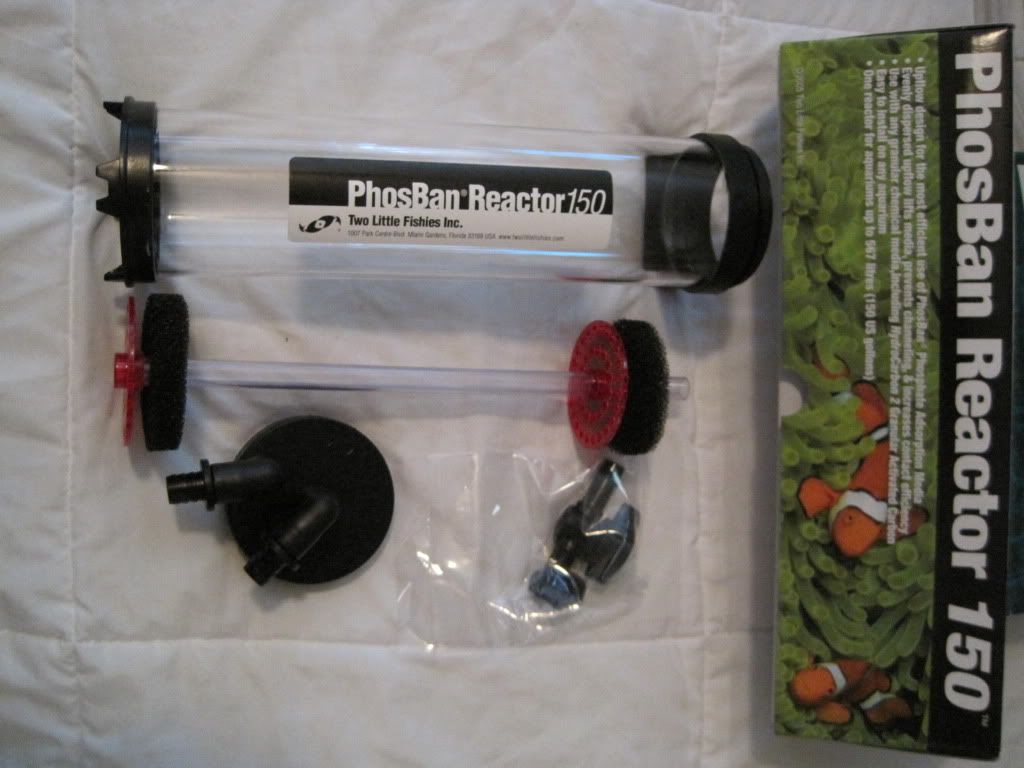
One part of my action plan included the addition of GFO (granular ferric oxide) media. I added a Two Little Fishies PhosBan Reactor 150 to the setup. I was pretty excited to get home and set the reactor up. Upon opening the box of the reactor, I was impressed with the simplicity of the setup. The instructions in the box were detailed and easy to follow. The reactor had only a few pieces, and was no trouble to assemble.
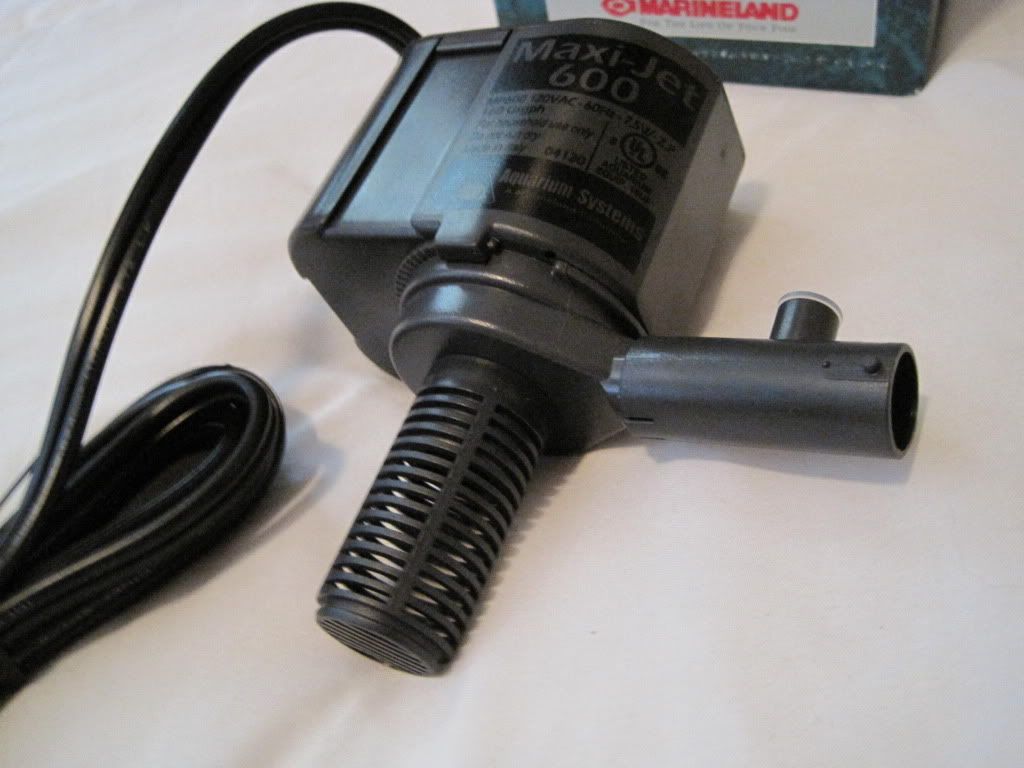
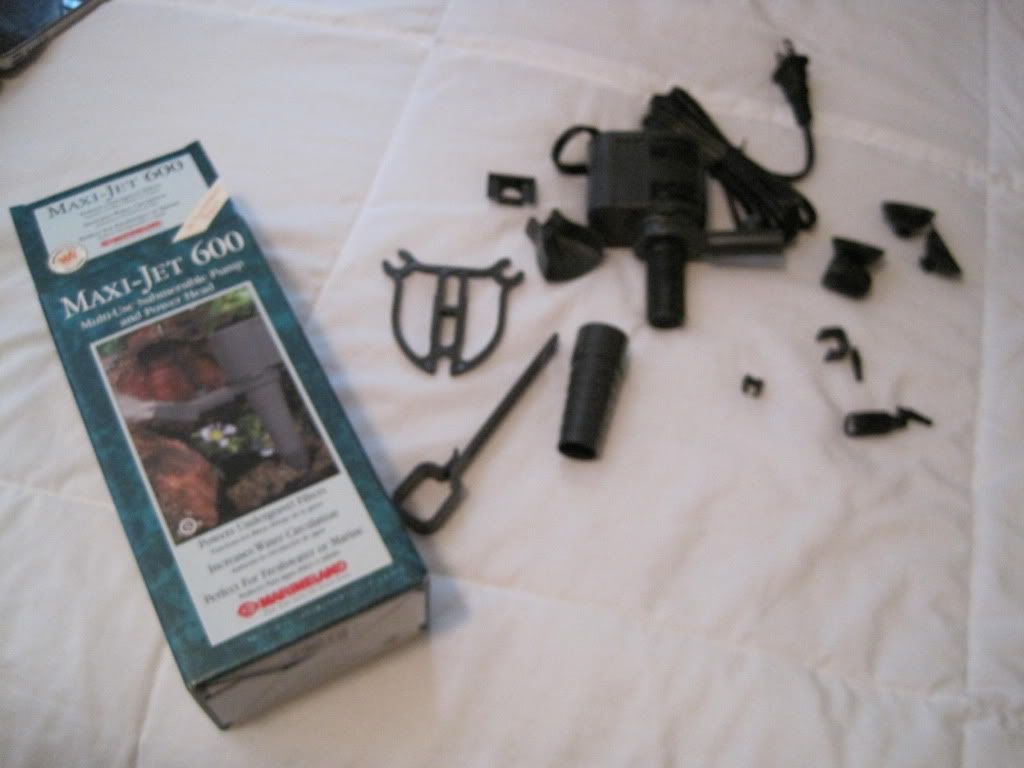
I purchased a Maxi-Jet 600 to feed water to the reactor. The MaxiJet is a great little power head with seemingly endless possibilities, and I was impressed with all the attachments and adapters included with the pump. Maxi-Jet power heads are simply awesome, and I can’t stress that although many consider them old technology, they are strong pumps, they are extremely versatile, and they are very affordable.


A great benefit of the Two Little Fishies PhosBan reactor is the options you get with one reactor. The media reactor is flexible; you can use it for GFO, activated carbon, or even NPX Bio Plastics* (*with the addition of the screen adapter). The reactor is compatible with many pumps as long as you use the included ball valve to adjust the flow for the media you are using (you shouldn’t mix medias in one reactor). In fact, the Maxi-Jet I purchased is overpowered for this reactor, and it may come in handy if I choose to run carbon instead of GFO media. I wouldn’t mind purchasing another reactor for activated carbon as well, and I am itching to run NPX Bio Plastics in the future.

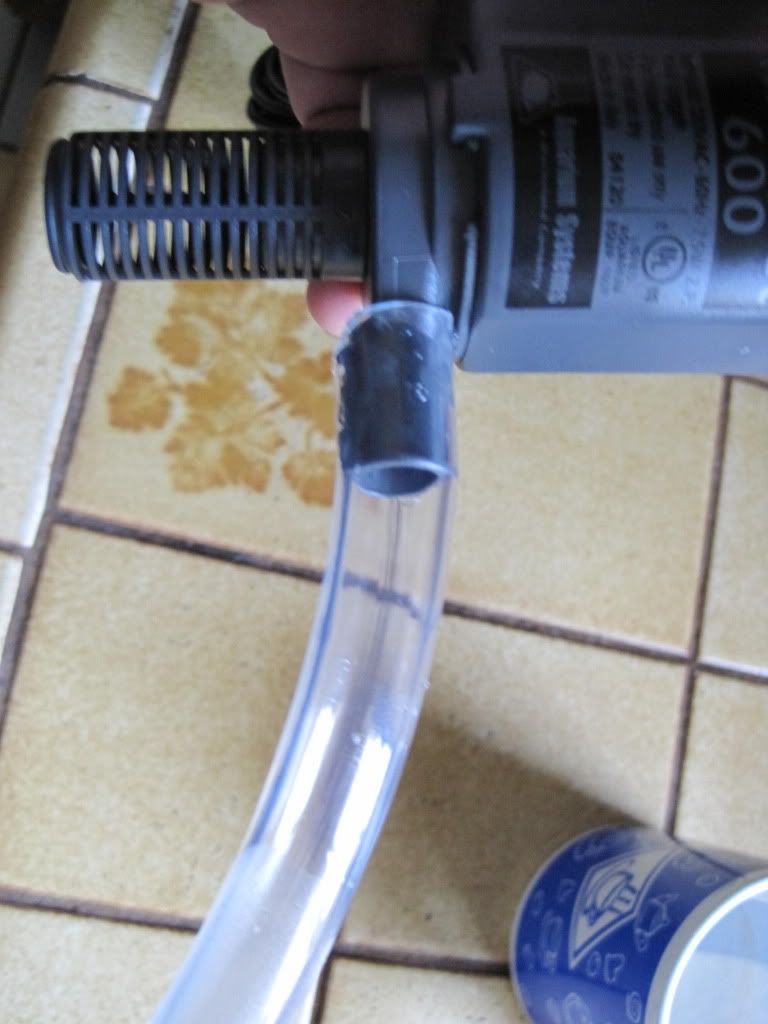
The installation of the reactor was simple. All you need to do is assemble the inner components and adjust the sponge, add the media (I’m using Two Little Fishies PhosBan), connect the tubes and pump, and plug it in. The process only took a few minutes, and now my fish system is ready to reap the benefits of a GFO media reactor. I used 1/2 inch clear vinyl tubing, and forced it onto the maxi-jet outlet (which is 5/8 inches). I heated some water in the microwave for two minutes, put the end of the tubing in the hot water for about a minute, and then slipped the tubing right over. The included hose clamp holds the tubing in place on the Maxi-jet. The reactor can be mounted on the back of an aquarium, outside a sump, or even inside a sump. I installed my reactor by hanging it on the edge of the sump, but with the reactor body sitting inside the sump. This is a simple precaution to prevent and overflows due to leaks in the reactor. I’d rather be safe than sorry.
The Two Little Fishies Phosban Reactor is versatile, easy to set up, and will provide many benefits to my aquarium and my aquarium's inhabitants. The reactor, with GFO media, is expected to keep phosphate levels at zero, and hopefully it can help me tackle this Dino problem. Until next time...
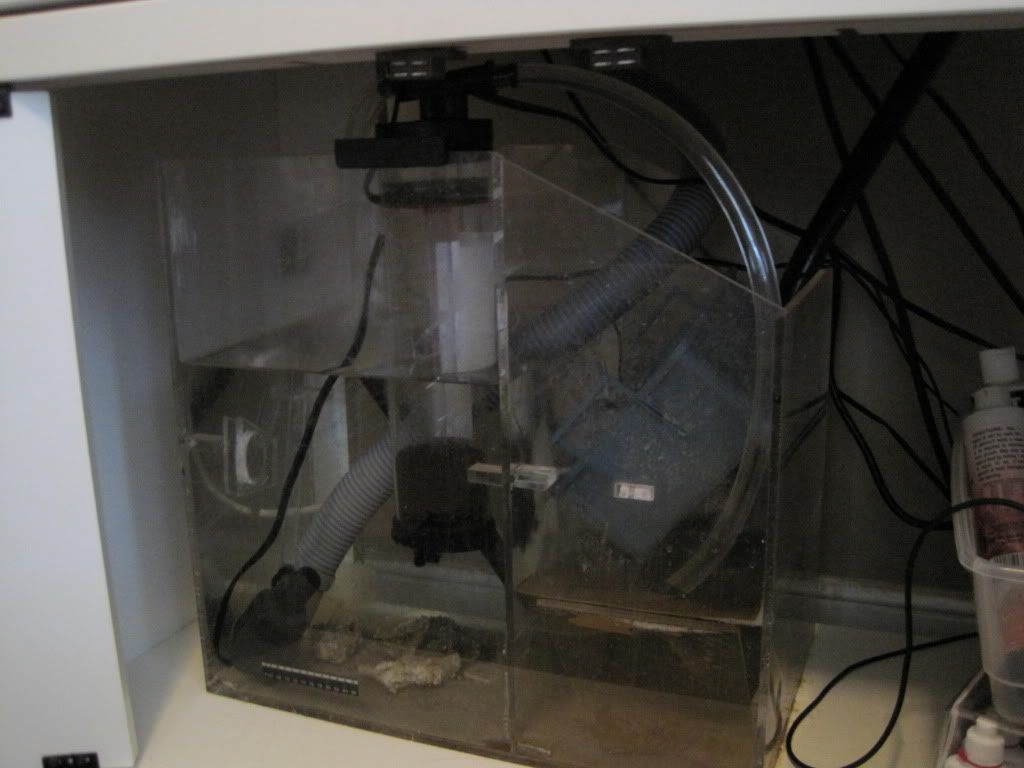
One part of my action plan included the addition of GFO (granular ferric oxide) media. I added a Two Little Fishies PhosBan Reactor 150 to the setup. I was pretty excited to get home and set the reactor up. Upon opening the box of the reactor, I was impressed with the simplicity of the setup. The instructions in the box were detailed and easy to follow. The reactor had only a few pieces, and was no trouble to assemble.I purchased a Maxi-Jet 600 to feed water to the reactor. The MaxiJet is a great little power head with seemingly endless possibilities, and I was impressed with all the attachments and adapters included with the pump. Maxi-Jet power heads are simply awesome, and I can’t stress that although many consider them old technology, they are strong pumps, they are extremely versatile, and they are very affordable.


A great benefit of the Two Little Fishies PhosBan reactor is the options you get with one reactor. The media reactor is flexible; you can use it for GFO, activated carbon, or even NPX Bio Plastics* (*with the addition of the screen adapter). The reactor is compatible with many pumps as long as you use the included ball valve to adjust the flow for the media you are using (you shouldn’t mix medias in one reactor). In fact, the Maxi-Jet I purchased is overpowered for this reactor, and it may come in handy if I choose to run carbon instead of GFO media. I wouldn’t mind purchasing another reactor for activated carbon as well, and I am itching to run NPX Bio Plastics in the future.

The installation of the reactor was simple. All you need to do is assemble the inner components and adjust the sponge, add the media (I’m using Two Little Fishies PhosBan), connect the tubes and pump, and plug it in. The process only took a few minutes, and now my fish system is ready to reap the benefits of a GFO media reactor. I used 1/2 inch clear vinyl tubing, and forced it onto the maxi-jet outlet (which is 5/8 inches). I heated some water in the microwave for two minutes, put the end of the tubing in the hot water for about a minute, and then slipped the tubing right over. The included hose clamp holds the tubing in place on the Maxi-jet. The reactor can be mounted on the back of an aquarium, outside a sump, or even inside a sump. I installed my reactor by hanging it on the edge of the sump, but with the reactor body sitting inside the sump. This is a simple precaution to prevent and overflows due to leaks in the reactor. I’d rather be safe than sorry.The Two Little Fishies Phosban Reactor is versatile, easy to set up, and will provide many benefits to my aquarium and my aquarium's inhabitants. The reactor, with GFO media, is expected to keep phosphate levels at zero, and hopefully it can help me tackle this Dino problem. Until next time...
Labels:
equipment,
jullian sprung,
Marineland,
Maxi-Jet,
phosban reactor,
phosphates,
two little fishies
Subscribe to:
Posts (Atom)